Jammu, known as the “City of Temples,” is the winter capital of the Union Territory of Jammu & Kashmir. Located on the banks of the Tawi River, Jammu is a city rich in history, culture, and spirituality. It serves as a major gateway to the Kashmir Valley and is the starting point for the famous pilgrimage to Vaishno Devi Shrine, one of the most visited Hindu temples in India.
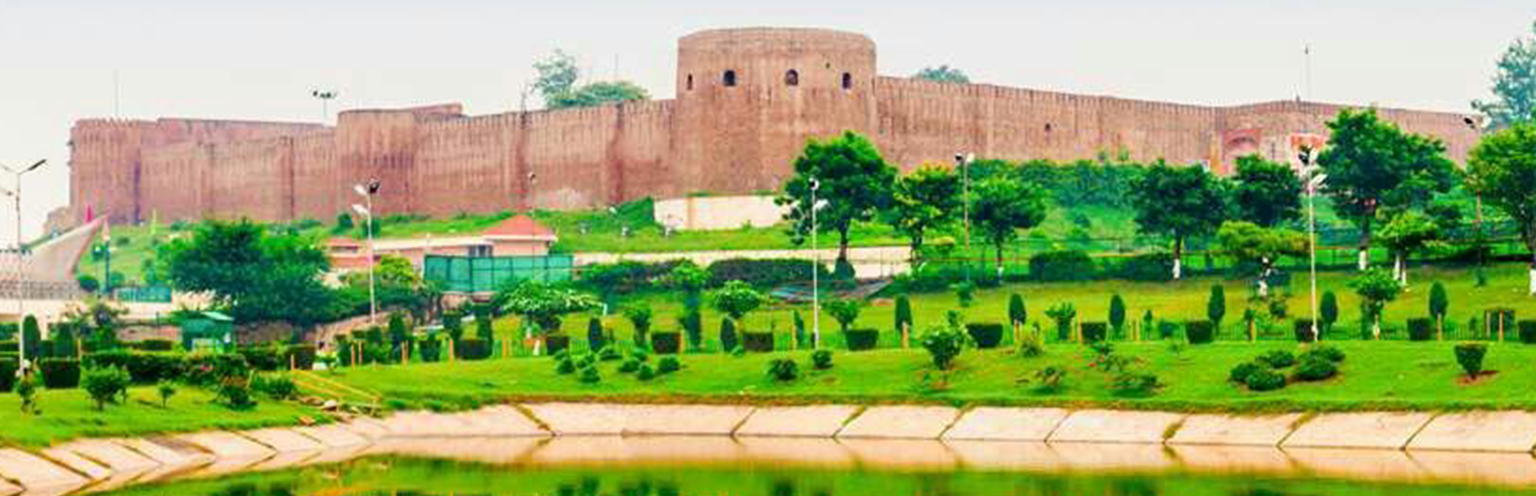
Jammu is home to several ancient temples and religious sites. The Raghunath Temple, dedicated to Lord Rama, is one of the largest temple complexes in North India. Other popular shrines include Ranbireshwar Temple, Panchvaktra Temple, Bahu Fort and Temple, and the Peer Kho Cave Temple, each with its own mythological significance. Apart from religious landmarks, Jammu also boasts historic forts, gardens, and palaces, such as the Mubarak Mandi Palace and Amar Mahal Museum, reflecting the grandeur of Dogra heritage.
Surrounded by scenic hills and forests, Jammu also offers natural beauty with peaceful spots like Mansar Lake and Surinsar Lake, ideal for picnics and boating. The city has a vibrant culture with traditional Dogra food, art, and festivals. Handicrafts like Basohli paintings, Pashmina shawls, and wood carvings are popular among tourists.
Jammu is well-connected by road, rail, and air. The Jammu Tawi Railway Station connects the region to major Indian cities, and Jammu Airport has regular flights to Delhi and other metros. The best time to visit Jammu is from October to March, when the weather is pleasant and perfect for sightseeing and religious tours.